
From the First Latch to Going Home – Breastfeeding Support at Memorial
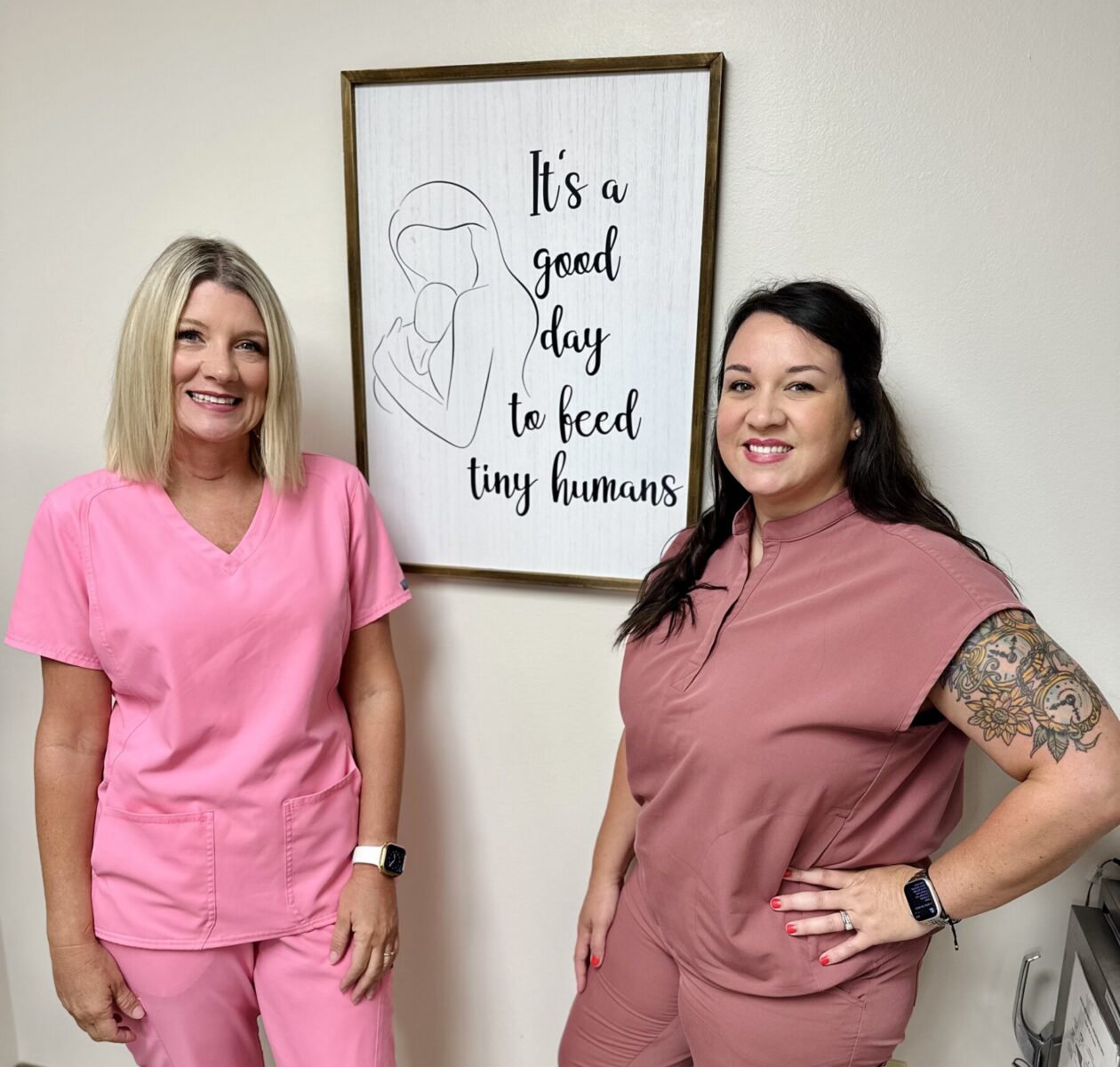
Breastfeeding is natural, but that doesn’t mean it’s always easy. Lactation Consultant Sandra Johnson and Jill Stephens, the first NICU Lactation Consultant at Memorial, work every day to help families feel supported, educated, and empowered in their breastfeeding journey.
Whether your baby is full-term or in the NICU, Sandra and Jill want parents to know that there’s help available and that small steps can make a big difference. Here are their top tips for success!
Start with Education and Support
“The first thing I suggest for parents who plan to breastfeed is to attend prenatal breastfeeding classes,” says Sandra. “Memorial offers a free breastfeeding class once a month. Educating yourself can eliminate unrealistic expectations and help you feel prepared.” View Memorial’s BabyTalk Classes schedule here.
Jill adds, “Asking for help is key. The Breastfeeding Center is a great resource, but we also provide moms with multiple options for support. International Board Certified Lactation Consultants (IBCLCs) have practices across the coastal counties, there are free support groups that offer virtual meetings, and several social media groups are monitored by professionals.”
Sandra and Jill also note that lactation consultations are available before discharge from the hospital, and follow-up appointments can be scheduled at the Breastfeeding Center.
Know What’s Normal
One of the most common concerns for new moms is milk supply. Sandra explains that in the first few days, a baby’s stomach is tiny—about the size of a teaspoon (5 ml) on day one, increasing to about a tablespoon (15 ml) in the next few days. “The amount of colostrum is low, but it’s highly concentrated with carbs, protein, and antibodies.”
To support healthy feeding in these early days, Sandra recommends:
- Breastfeeding at least 8 times in 24 hours
- Tracking wet and dirty diapers by day of life
- Avoiding time limits at the breast
In the NICU, Jill explains that “normal” may look different. Premature or sick babies may not be able to breastfeed right away, and mothers may face delays in milk production—especially after C-sections or complicated deliveries. “In these cases, early and frequent stimulation, including proper hand expression and pumping, can help. Even drops of colostrum are incredibly valuable for a NICU baby—it’s like a custom-made medicine or their first natural vaccine.”
The Power of Skin-to-Skin (STS)
“Skin-to-skin contact releases oxytocin, a milk-making hormone,” Sandra shares. “Babies are usually awake and alert right after delivery, so take advantage of this time to establish the first latch. Partners are encouraged to do skin-to-skin as well—it’s great for bonding.”
Jill adds that in the NICU, skin-to-skin is just as valuable—even if it happens days or weeks later. “It helps stabilize heart rate and breathing, reduces stress, improves bonding, and increases hormones that support milk production. Studies even show it can help with neurological development in premature babies.”
Addressing Common Myths
With so much information circulating online, myths are common. Sandra and Jill help set the record straight:
- Breast size doesn’t affect milk supply.
- Most medications are safe—always check with your provider or the Infant Risk Center.
- Feeding on demand is best—babies aren’t on a strict clock. Many feed more often at night in the early weeks.
- You do have milk in the early days—colostrum is small in volume but packed with nutrition and immune protection.
Partners Play a Key Role
“Partners and family can help in so many ways,” Sandra says. “They can take on diaper changes, laundry, meals, or soothing the baby after feeding. Partners can protect the mother’s peace, be encouraging, and advocate for her needs.”
Jill adds, “In the NICU, partners can also help by cleaning pump parts, setting up equipment, or holding the baby skin-to-skin. Even small acts of support make a big difference.”
Don’t Wait to Ask for Help
Sandra notes that early discharges can sometimes make it harder for moms to get timely lactation support—especially if they deliver on a weekend. “Issues often arise after the first 24 hours, so I recommend any mom having difficulty to seek lactation assistance as soon as possible. Trust your gut.”
Jill agrees: “Pain or difficulty with breastfeeding warrants reaching out. Sometimes it’s as simple as adjusting positioning; other times, it could be related to an oral restriction. Either way, help is available.”
Give Yourself Grace
“Feeling overwhelmed is normal,” Sandra emphasizes. “Often, moms are doing better than they think.”
Jill adds, “Breastfeeding can be challenging—especially if your baby is in the NICU—but your baby is lucky to have a mom who cares so much. Give yourself grace and reach out for support when you need it.”
You’re Not Alone
Memorial offers breastfeeding consultations Monday through Friday, 9 a.m. to 3 p.m. For appointments or telephone assistance, call (228) 867-4053 during business hours.
Resources for expectant and new moms and families include:
- Find out how many lactation consultant visits are covered by your insurance.
- If you have chosen to stop breastfeeding and want to begin again, speak to a lactation consultant to get guidance.
- Find your local La Leche League group to get support by visiting lllusa.org.
- Breastfeeding information is available through WIC by visiting wicbreastfeeding.fns.usda.gov.
- Mississippi Breastfeeding Coalition MILC League offers peer breastfeeding support, and more information can be found at https://www.msbfc.org/ms-milc-league.html.
- Memorial BabyTalk prenatal classes are available for free, except for Infant CPR. Call (228) 575-2299 or click here for schedules.
- U.S. Department of Labor’s Wage and Hour Division can help you determine whether you have the right to take breaks to pump at work. Call the helpline at 1-866-4USWAGE for support.